
When choosing the right pump for your industrial or commercial application, it’s essential to understand the core differences between centrifugal and positive displacement pumps. Each type has unique operational principles, advantages, and ideal use cases. In this blog, we break down these two major pump categories to help you make an informed decision. With expertise from ampleengineering hyderabad, this guide simplifies pump technology for engineers, buyers, and industry professionals.
Understanding the Basics
Centrifugal pumps and positive displacement pumps are the two most widely used types of industrial pumps. Both are designed to move fluids, but they do so using very different mechanisms.
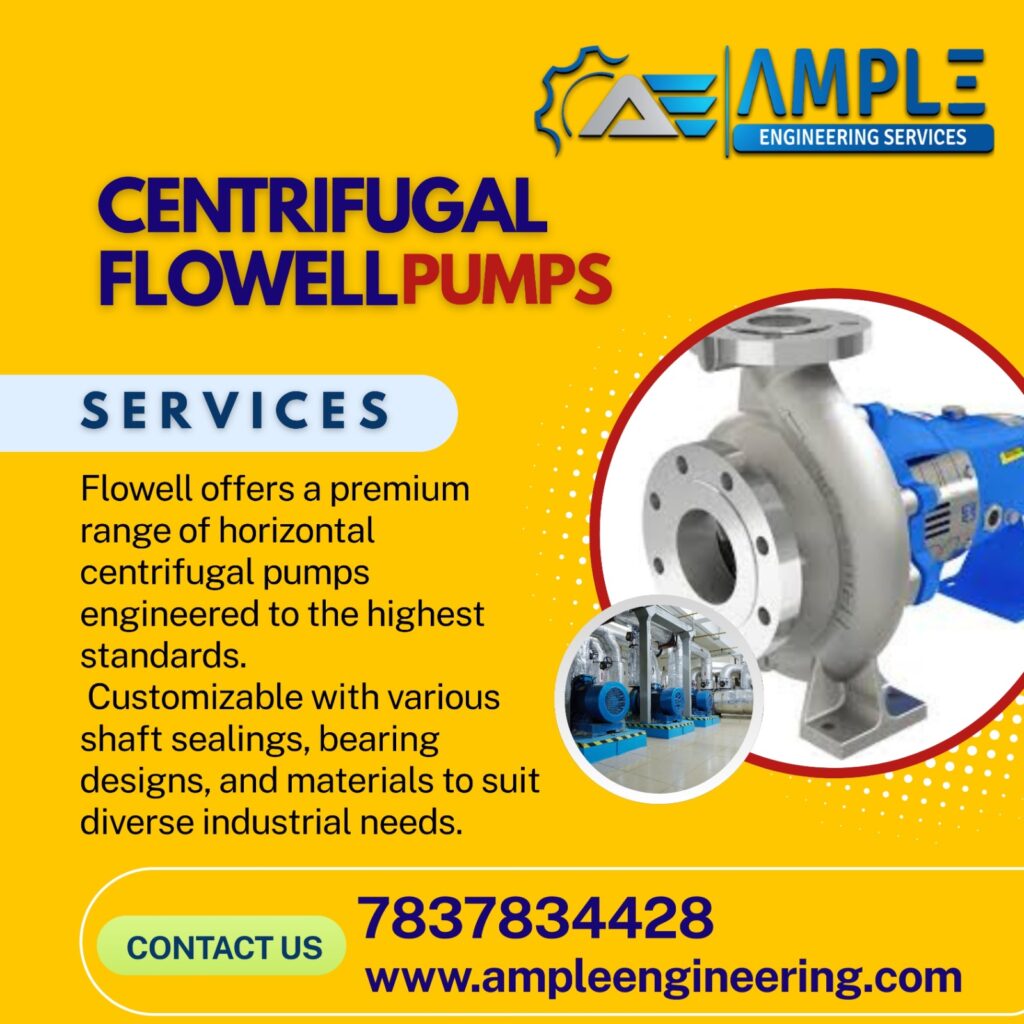
- A centrifugal pump uses a rotating impeller to create a flow by converting kinetic energy into pressure.
- A positive displacement pump moves fluid by trapping a fixed amount and forcing (displacing) it into the discharge pipe.
At ampleengineering hyderabad, both types are designed with precision to meet diverse industrial demands across sectors like chemical processing, pharmaceuticals, food & beverage, and water treatment.
Key Differences Between Centrifugal and Positive Displacement Pumps
1. Flow Rate Behavior
- Centrifugal pumps deliver variable flow based on system pressure. When resistance increases, flow decreases.
- Positive displacement pumps maintain a nearly constant flow regardless of system pressure.
This makes positive displacement pumps ideal for high-pressure, low-flow applications. ampleengineering hyderabad helps clients select the right pump by analyzing flow characteristics and process needs.
2. Viscosity Handling
- Centrifugal pumps work best with low-viscosity fluids like water or thin oils.
- Positive displacement pumps excel with thick, viscous fluids such as syrups, slurries, and pastes.
If your process involves heavy fluids, ampleengineering hyderabad recommends positive displacement pumps due to their efficiency in handling such media.
3. Efficiency at Low Flow
- Centrifugal pumps tend to lose efficiency at low flows.
- Positive displacement pumps operate effectively across a wide range of flow rates.
For applications requiring precise fluid transfer, ampleengineering hyderabad offers custom-engineered positive displacement systems tailored for maximum accuracy.
4. Shear Sensitivity
- Centrifugal pumps may damage shear-sensitive fluids due to high-speed impellers.
- Positive displacement pumps are gentler, making them ideal for fluids like emulsions or bio-products.
Industries such as pharmaceuticals and food production rely on ampleengineering hyderabad for low-shear pump solutions that preserve product integrity.
5. Priming Capabilities
- Centrifugal pumps often require external priming.
- Positive displacement pumps are self-priming and can handle air and fluid mixtures.
For remote or startup-critical systems, ampleengineering hyderabad suggests positive displacement pumps for faster commissioning and dependable startup.
Cost Considerations
Initial cost is an important factor in any system design. Centrifugal pumps generally have a lower upfront cost, making them a popular choice for simple water transfer or HVAC systems. However, positive displacement pumps often offer better lifecycle value for applications that demand precise flow control or high viscosity handling.
At ampleengineering hyderabad, clients receive honest guidance on long-term operating costs, maintenance requirements, and performance comparisons to ensure optimal ROI.
Maintenance and Durability
- Centrifugal pumps have fewer moving parts, which generally means lower maintenance for low-viscosity, clean fluids.
- Positive displacement pumps require more frequent servicing in some applications due to tighter clearances, but offer high reliability when properly maintained.
ampleengineering hyderabad provides full maintenance support, spare parts, and operational training to extend pump life and reduce downtime.
Typical Applications
Centrifugal Pumps:
- Cooling systems
- Water supply networks
- Light chemical processes
Positive Displacement Pumps:
- Hydraulic systems
- Oil and gas operations
- Viscous fluid transport in food or cosmetics
ampleengineering hyderabad specializes in both pump types and provides tailored solutions based on detailed process evaluations and engineering expertise.
Choosing the Right Pump with ampleengineering hyderabad
The correct pump selection is critical to achieving efficiency, reducing costs, and preventing equipment failure. At ampleengineering hyderabad, expert engineers consider all critical factors—fluid type, flow rate, system pressure, and budget—before recommending the right solution.
Whether you need a high-capacity centrifugal pump for a water treatment facility or a precision positive displacement pump for pharmaceutical production, ampleengineering hyderabad ensures you get the right fit every time.
Conclusion
While both centrifugal and positive displacement pumps serve the fundamental purpose of moving fluids, their differences in design and function are crucial when choosing the right system for your application. Understanding these distinctions can help you save energy, reduce maintenance, and optimize process performance.
For expert advice, custom-built pumping systems, and unmatched service quality, trust ampleengineering hyderabad. With a commitment to innovation and excellence, ampleengineering hyderabad remains a leading name in fluid handling solutions across industries.
Contact ampleengineering hyderabad today to explore your pumping requirements and discover high-performance solutions built to last.